





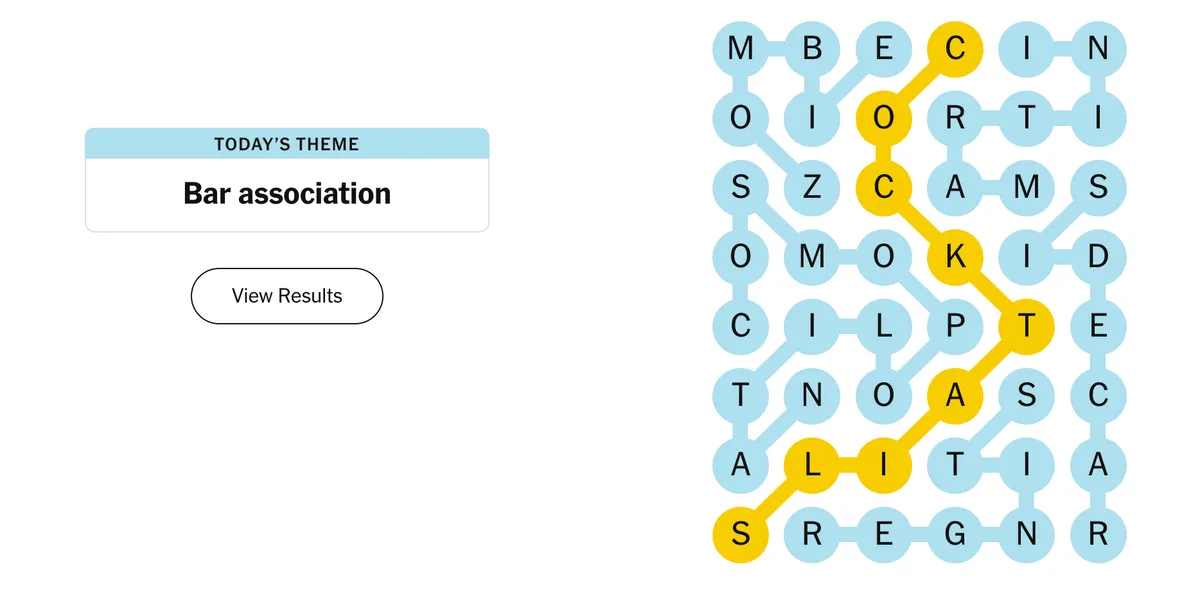
strands answers Specifically for types of answer, you will have to unpack the specific behaviour that might be exhibited in a different sample (as a model descriptor), which would be covered by the strand (as an overarching descriptor), and thereby produce strands answers. So this article will discuss what strands answers are, where they are significant in education, how strands answers are used in the assessment as well as some tips to use them to improve academic performance.
What are Strands Answers?
Strands answers are detailed explanations that align with specific domains of learning, or skills within a greater subject. Strands (of a strand)Each “strand” refers to a specific meto term of knowledge or skill that the student should acquire. For instance, in a math course, the strands may include such categories as number functions, geometry, measure, and data handling. Strands may include reading comprehension, writing skills, grammar, and vocabulary, for example, in language arts.
The main reason to use strands answers is to provide a clear frame of reference for educators and students. This process plan helps tutors to evaluate precise areas of study and provides feedback on individual and group performance. This way, teachers can adjust their teaching approaches to cover the parts students may not understand, catering for the needs of each student to help them thrive.
Education Strands Answers & Its Importance
Strands answers allow for targeted assessments to inform educators where students are excelling and where they may need additional support. This is especially helpful in heterogeneous classrooms, where students will likely be working on different levels of understanding.
Curricular Realignment: Educators can extract assessments with curricular strands so that they can evaluate the specific learning objective that these assessments are analyzing. Aligning a curriculum with the standards helps to keep education and content covered during the school year at appropriate levels.
It’s a Data-Driven Instruction: The answers to strands serve as data which educators can use to enrich their instructions. Performance data from strand-based assessments enables teachers to adjust their teaching strategies to improve student learning.
Student Take Rate: Understand the strands relating to their learning, or ability to take ownership of their education. you, students can set personal learning targets and track their progress by knowing where they need to improve.
Strands Answers — Applied in Assessments
Here are some steps educators can follow to implement strands answers in assessments effectively:
Outline the Strands: Specify any strands to be assessed for each subject. This is done by “identifying the skills and knowledge students should have to possess.”
Develop Assessment Tools: Develop assessments that are based on the strands identified. These assessments can include things like quizzes, projects, presentations, or standardized tests. Providing a clear target for evaluation, it is important to assign at least one strand to each assessment item.
Communicate Expectations: Provide students with the strands and metrics for each category. By establishing clear expectations, students can prepare appropriately and know where they need to focus their learning.
Review Results: Once assessments are complete, analyze their results to gain insight in terms of trends and patterns in student performance. That analysis can also show what strands students have learned and where they still need more help.
Analyze Student Work: Review student assignments, quizzes, and tests to identify areas of strength and weakness. This can include offering more resources, varied instruction, or strategic interventions.
Techniques to Deepen Student Knowledge of Strands
To make the most of strands responses, teachers can do the following to create better student understanding.
Embed Strands Throughout Daily Learning: Make strands a regular reference in lesson plans and classroom conversations. This practice connects the dots between what we are teaching and the skills students will actually learn.
Use Visual Aids: Use charts or posters to visually display the strands to leave in the classroom. These visuals can also act as a guide for students, serving as a reminder of where their efforts need to be focused.
Encourage Self-Assessment: Encourage students to self-assess their understanding of the strands by providing them with tools and resources. Ascribing responsibility for learning to students and engaging them in metacognition bolsters metacognitive practices.
Use Group Projects: Provide opportunities for students to work together on projects involving the same strands. Apart from improved understanding, the method also gives a boost to communication and teamwork skills.
Praise students for the good things they do, and help them avoid the bad things. Feedback is timely when it helps students identify what they did well and what need work so they know what to focus on during their next learning attempts.
And then, Problems of Strands Answers
Although learning from strands answer manager can greatly differ the learning experience, it is not without its challenges. Challenges for Educators: Creating assessments that are truly aligned with the strands, maintaining consistent grading, and the necessity to “teach to the test” in a narrowed curriculum.
Some students may struggle with self-assessment, and not all students may completely understand the significance of understanding strands. Educators will need to take the lead in giving support and guidance as students navigate these challenges.
Conclusion
Strands answers are a practical way to assess understanding across topics.Content in the form of book learning does not family mimic life. In this way, knowledge and skills are broken down into manageable portions and educators can provide targeted support, align instruction with curricular goals, and engender a sense of ownership in students. Strands implementation will answer the question, as to when, in which and to what pieces we will add. Educators will help students achieve better learning results through this method and prepare them for future academic excellence.
Educators can augment strands answers into their teaching practices to create a more dynamic and responsive educational environment that can ultimately lead to improved student achievement and a better understanding of the material.













+ There are no comments
Add yours