





Introduction
In the vast and varied world of motorsports, drift kart has emerged as a captivating and unique discipline, blending the thrill of speed with the artistry of controlled slides. This exhilarating sport has captured the imagination of enthusiasts and spectators alike, offering a fresh and accessible take on the traditional motorsport experience. As drift karting continues to gain momentum, it has established itself as a dynamic and engaging addition to the motorsport landscape. This article delves into the world of drift karting, exploring its origins, the skills required, the equipment used, and its growing influence on the motorsport community.
The Origins of Drift Karting
Drift karting, a fusion of karting and drifting, traces its roots to the desire to make motorsport more accessible and affordable. Traditional drifting, with its high-performance cars and specialized tracks, can be a costly pursuit, often limiting participation to a select few. Drift karting, however, offers a more budget-friendly alternative, allowing a wider range of enthusiasts to experience the thrill of drifting.
The concept of drift karting began to take shape in the early 2000s, as karting circuits sought to diversify their offerings and attract a broader audience. The introduction of rear-wheel-drive karts, equipped with handbrakes and limited-slip differentials, enabled drivers to perform controlled slides and drifts, replicating the techniques used in full-size drift cars. This innovation transformed karting from a purely speed-based discipline to one that also emphasized style and technique, paving the way for the emergence of drift karting as a distinct and exciting motorsport.
The Skills Required for Drift Karting
Drift karting is a sport that demands a unique blend of skills, combining the precision of karting with the finesse of drifting. Drivers must master the art of controlled sliding, maintaining the perfect balance between speed and angle. This requires a deep understanding of vehicle dynamics, weight transfer, and throttle control.
One of the key skills in drift karting is the ability to initiate and maintain a drift. This involves techniques such as the “clutch kick,” where the driver quickly disengages and re-engages the clutch to upset the balance of the kart, and the “handbrake turn,” where the driver uses the handbrake to lock the rear wheels and induce a slide. Drivers must also develop a keen sense of spatial awareness, allowing them to navigate tight turns and obstacles with precision and style.
The Equipment Used in Drift Karting
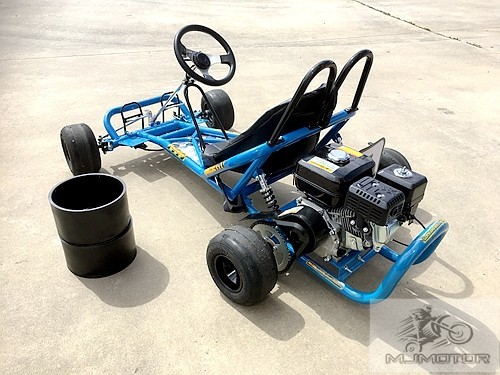
Drift karts are specially designed to facilitate drifting, featuring a rear-wheel-drive layout, a limited-slip differential, and a handbrake. The chassis is often reinforced to withstand the stresses of drifting, and the tires are chosen for their ability to break traction easily. Safety is a top priority in drift karting, with drivers required to wear helmets, gloves, and racing suits. The karts are equipped with roll cages and harnesses to protect the driver in the event of a crash.
The Growing Influence of Drift Karting
Drift karting has had a significant impact on the motorsport community, attracting a diverse range of participants and fostering a sense of camaraderie and mutual support. The sport’s accessibility and appeal have made it an ideal entry point into the world of motorsport, providing a stepping stone for aspiring drifters and a training ground for developing overall driving skills.
Moreover, drift karting has contributed to the diversification of motorsport events, with many karting circuits now hosting dedicated drift karting competitions. These events often feature a mix of individual and team-based competitions, adding to the excitement and variety of the sport. The growing popularity of drift karting has also created new commercial opportunities, with innovations in kart design and technology enhancing the performance and safety of the sport.
The Future of Drift Karting
As drift karting continues to grow in popularity, its future prospects look bright. The sport’s accessibility and appeal make it an ideal candidate for further expansion, both in terms of participation and commercial opportunities. With the increasing interest in motorsport experiences, drift karting is well-positioned to capitalize on this trend, offering a unique and exhilarating experience for enthusiasts.
Innovations in kart design and technology are also likely to play a role in the future of drift karting. Advances in materials and engineering could lead to the development of more sophisticated and capable drift karts, enhancing the performance and safety of the sport. Additionally, the integration of digital technologies, such as telemetry and virtual reality, could provide new ways for participants to engage with and experience drift karting.
Conclusion
Drift karting represents a dynamic and exciting fusion of karting and drifting, offering a unique and accessible entry point into the world of motorsport. Its evolution from a niche concept to a popular and respected discipline highlights its significance in modern motorsport culture. As the sport continues to grow and innovate, drift karting is poised to become an even more integral part of the motorsport landscape, captivating audiences and inspiring a new generation of drivers. Whether you’re a seasoned racer or a novice looking for an adrenaline rush, drift karting offers an experience like no other, combining speed, skill, and spectacle in a thrilling and accessible package.







+ There are no comments
Add yours