




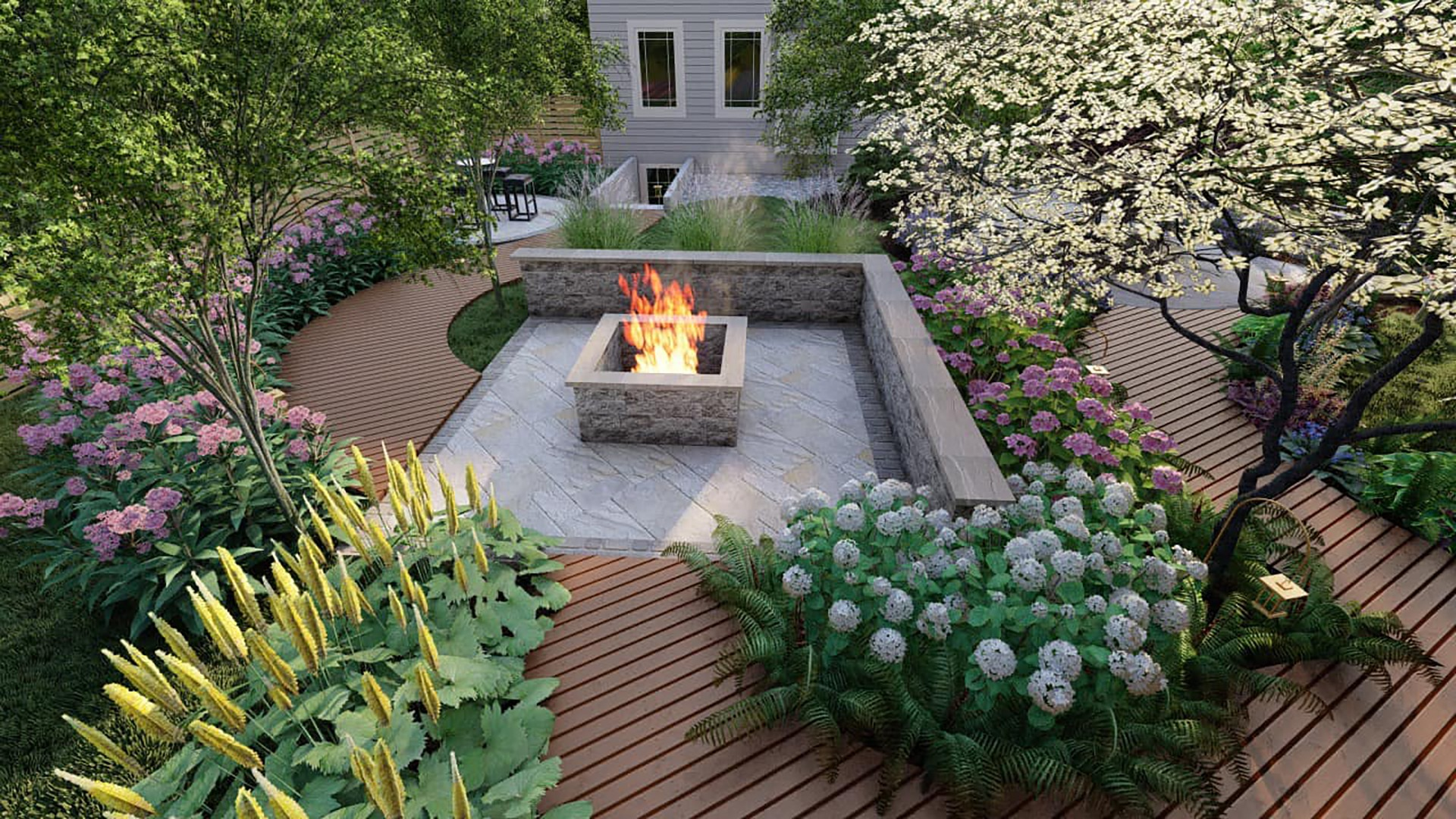
Landscaping has evolved beyond aesthetics—today, it’s also about sustainability. Eco-friendly landscaping focuses on creating beautiful outdoor spaces that conserve resources, protect the environment, and support local ecosystems. By using sustainable practices, homeowners can reduce maintenance, lower water usage, and create landscapes that thrive naturally while enhancing the beauty of their property.For hardscaping Greensboro call Summit Landscape Innovations.
What Is Eco-Friendly Landscaping?
Eco-friendly landscaping, also known as sustainable landscaping, is the practice of designing and maintaining outdoor spaces in a way that minimizes environmental impact. It emphasizes water conservation, energy efficiency, biodiversity, and reduced chemical use. Instead of creating a garden that relies heavily on maintenance and artificial inputs, eco-friendly landscaping works with nature to create a resilient and low-maintenance outdoor space.
Key Principles of Eco-Friendly Landscaping
- Use Native Plants:
Native plants are naturally adapted to the local climate and soil conditions. They require less water, fertilizer, and pesticide, making them ideal for sustainable landscaping. Native flowers, grasses, and shrubs also support pollinators such as bees, butterflies, and birds. - Water Conservation:
Efficient irrigation systems, rain barrels, and drip irrigation reduce water waste. Techniques like xeriscaping, which uses drought-tolerant plants, are particularly effective in dry climates. Mulching also helps retain soil moisture and limits the need for frequent watering. - Healthy Soil Management:
Soil is the foundation of a sustainable landscape. Composting garden and kitchen waste, using organic fertilizers, and minimizing soil compaction improve soil health, increase nutrient availability, and support strong plant growth. - Reduce Lawn Areas:
Traditional grass lawns require significant water and maintenance. Replacing portions of turf with native plants, ground covers, or hardscaping reduces water consumption and maintenance time while adding visual diversity. - Encourage Biodiversity:
Incorporating trees, shrubs, flowers, and water features creates habitats for birds, insects, and small animals. Biodiverse landscapes are more resilient to pests, diseases, and climate extremes. - Minimize Chemical Use:
Avoid synthetic pesticides and fertilizers whenever possible. Organic alternatives, companion planting, and integrated pest management strategies reduce environmental harm and protect beneficial insects.
Eco-Friendly Landscaping Features
- Rain Gardens: Designed to collect and filter stormwater, rain gardens reduce runoff and flooding while supporting native plants.
- Permeable Surfaces: Walkways, patios, and driveways made of permeable materials allow water to soak into the ground, replenishing groundwater and reducing erosion.
- Composting Areas: Turning yard and kitchen waste into compost provides nutrient-rich soil amendments and reduces landfill contributions.
- Green Roofs and Vertical Gardens: Ideal for urban spaces, these features improve air quality, reduce heat, and add greenery in areas with limited ground space.
Benefits of Sustainable Landscaping
Eco-friendly landscaping offers numerous advantages:
- Environmental Benefits: Conserves water, reduces chemical use, and supports wildlife.
- Cost Savings: Lower maintenance requirements and reduced water usage save money over time.
- Aesthetic Value: Natural textures, native plants, and seasonal color variations create beautiful, dynamic landscapes.
- Health and Well-Being: Green, eco-conscious spaces promote relaxation, outdoor activity, and mental well-being.
Tips for Implementing Eco-Friendly Landscaping
- Start small by converting one area of your yard to native plants or a rain garden.
- Group plants with similar water and sunlight requirements to simplify maintenance.
- Use organic mulch and compost to reduce chemical inputs.
- Incorporate hardscape features that reduce water use and enhance functionality.
- Educate yourself on local plant species and sustainable practices to maximize success.
Conclusion
Eco-friendly landscaping combines beauty, functionality, and environmental responsibility. By incorporating native plants, conserving water, enriching soil, and reducing chemical use, homeowners can create outdoor spaces that thrive naturally while supporting local ecosystems.
Sustainable landscaping isn’t just good for the planet—it also saves time, reduces costs, and provides a healthy, inviting environment for family and friends. By embracing eco-friendly practices, your yard can become a vibrant, resilient space that is both visually stunning and environmentally responsible.












+ There are no comments
Add yours