





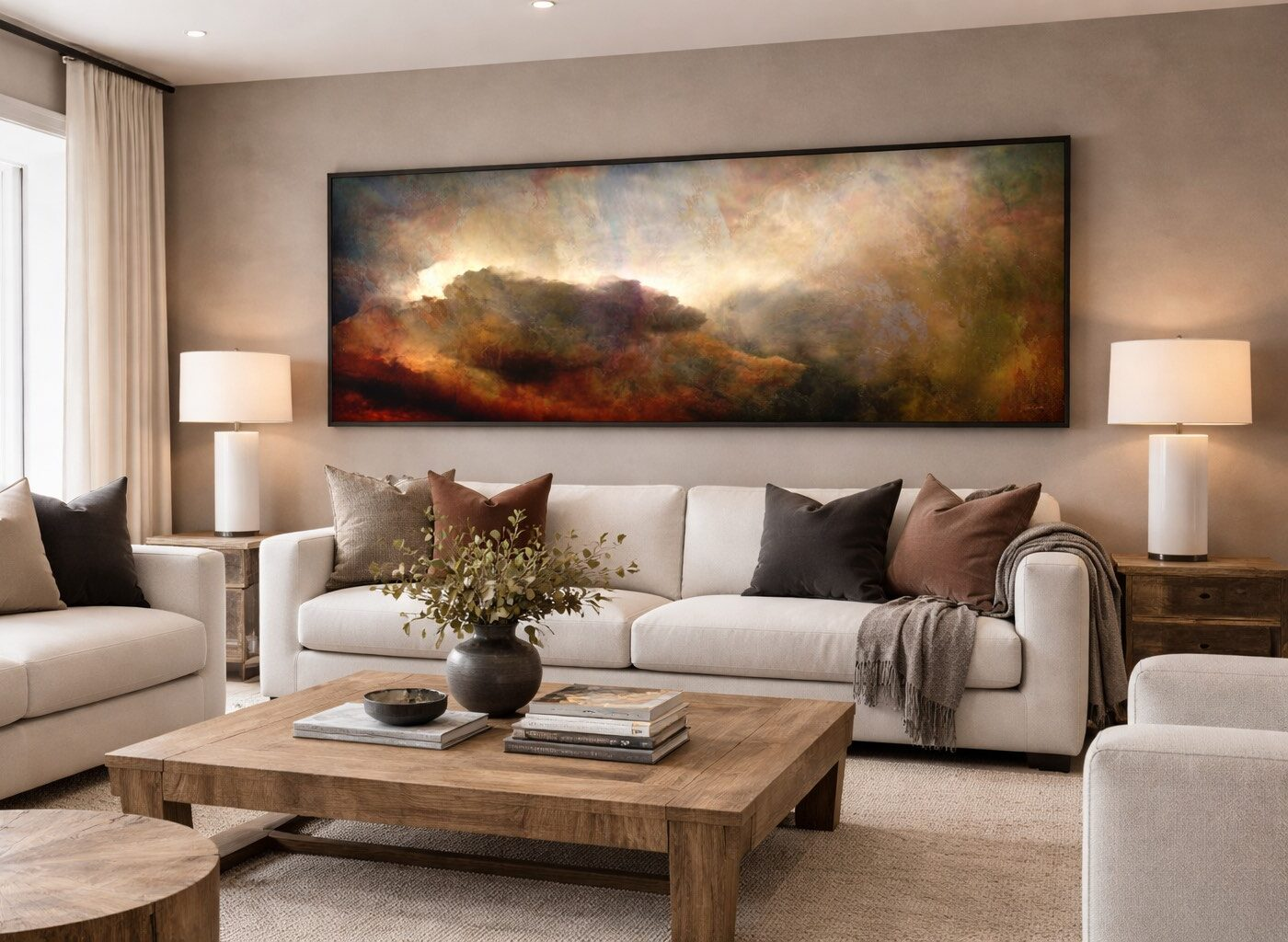
Modern interior design is built on clear structure, spatial balance, and visual harmony. Each piece in a space contributes to the environment and aesthetic experience. One of the best tools for wall styling today is triptych art. With three narrower horizontal panels creating a wide format image, this treatment creates depth and rhythm within any interior without sacrificing sophistication.
Visual impact is largely dependent on installation in the case of a piece such as Triptych Art, however. Even the best artwork might not be as graceful as you designed it to look without proper alignment and spacing. Without this a properly detailed or accurate Wall Hanging Guide it is impossible to have efficient compliance into professional looking, streamlined designs.
What Makes Triptych Art Special
Triptych Art, a Special Type of Wall Composition that Breaks One Art into Three Connected Panels When both panels are shown, they present a continuous picture plane that reads as bigger and more alive than a fixed frame work of art.
It is especially commonly used in modern interior design since it allows for a natural continuation of movement across the visual plane of a wall surface. The viewer may scan each section sequentially instead of fixating on one dominating feature, much as an orchestration allows the harmony to breathe freely through rhythm and melody.
Triptych Art is regularly employed in the following:
The Centre is an early modernist apartment building with minimal architectural layouts.
Luxury homes that focus on elegant design
Model 10: Office (needing a structured and professional design).
Spaces that count on understated artfulness, as a result of minimalism
The three-panel shape not only instantly anchors it in a room but also helps establish the visual character of a space rather than taking over it.
Reason Why You Need A Good Wall Hanging Guide
Triptych Art needs to be clogged with its parentage of perfect Wall Hanging Guide. This ensures that the art keeps beautiful symmetry, balance and visual continuity. A professional finish becomes much more difficult to achieve as the artwork is split into sections.
Little imperfections with the spacing, height or alignment can rupture the visual flow and thus lessen its effectiveness.
Proper installation has its own key benefits, such as:
Enhanced visual balance all over the wall
An interior that looks more sophisticated and polished
More harmonized with proportions of furniture and room
Improved detection of depth and orientation
A successfully-installed Triptych Art setting evokes a sense of intention, form, and integration into the interior design.
Step-by-Step Installation Method
Measure the Wall First
Begin with accurate measurements of the wall space. It assists with ideal placement height, panel spacing, and overall composition balance. The art pieces are correctly measured to fit gracefully within the room scale.
Mark the Center Line
The central column serves as the grounding body of the whole triptych. It should relate directly to the central axis of the wall, or the room focal point of indicated by an furniture like a sofa or bed. Perfect symmetry: a clear center line is marked where appropriate.
Pre-Arrange Panels Before Hanging
Lie all three panels in the correct sequence on the floor before drilling or mounting; It enables you to test spacing, alignment and flow visually. This stage can also be adjusted without any harm to the wall.
Maintain Equal Gaps Between Panels
Uniformity of spacing is the biggest part of Triptych Art installation. Equal spacing between panels creates seamless visual flow that allows the composition to avoid looking jagged or lopsided.
Install the Middle Panel First
Starting with center, we will install it first. Once it is properly located and level, place the side panels. The installation process is more controlled, which leads to better symmetry and alignment.
Triptych Art: Interior Design Principles
As a result to accomplish that needless to say Triptych Art must adhere to some of the basic design principles from Interior Designers & Architects,
These include:
In terms of a natural, comfortable viewing height for artwork – everywhere in your home should be 57 inches (numbers or average heights can always be adjusted) from the floor to your eye level.
Formatting the width of artwork to match furniture, like sofas or beds
So there are all panels with equal proportion of spacing among themselves
Not overdoing the decor on the wall
Controlling these principles when applied will make triptych art an integral part of the interior and not just an additional element of decoration.
Where to Use Triptych Art
Triptych Art is incredibly versatile art that can be used in so many different interior environments. It follows a structure but is flexible and can easily absorb changes with great visual appeal.
Common applications include:
Main feature walls in living rooms
Bedrooms for serenity and sightvetica
Professional and structural design§
Visual continuity and flow in corridors
Each placement contributes to a different quality of the interior, soothing + focusing the mind, increasing visual motion.
Conclusion
Triptych Art with a proper setup can enhance the quality and environment of any interior space. A smooth and polished finish, with perfect alignment and balanced proportions, is only achieved by following a structured Wall Hanging Guide.
Done right Triptych Art turns a blank wall into an elegant stylised statement. Well, ambient light works by adding that depth to a room; it improves the spatial harmony, and creates an eye-catching focal point that reinforces an internal identity.












+ There are no comments
Add yours