



Introduction
In today’s fast-paced digital world, the need for a reliable and high-speed internet connection is more critical than ever. Whether in homes, businesses, or data centers, networking infrastructure plays a crucial role in ensuring seamless communication and data transfer. One essential component of this infrastructure is the Ethernet cable, and among the various categories available, Cat 6 cable stands out as a popular and efficient choice. This article delves into the features, benefits, applications, and installation of Cat 6 cables, highlighting why they are an integral part of modern networking solutions.
What is Cat 6 Cable?
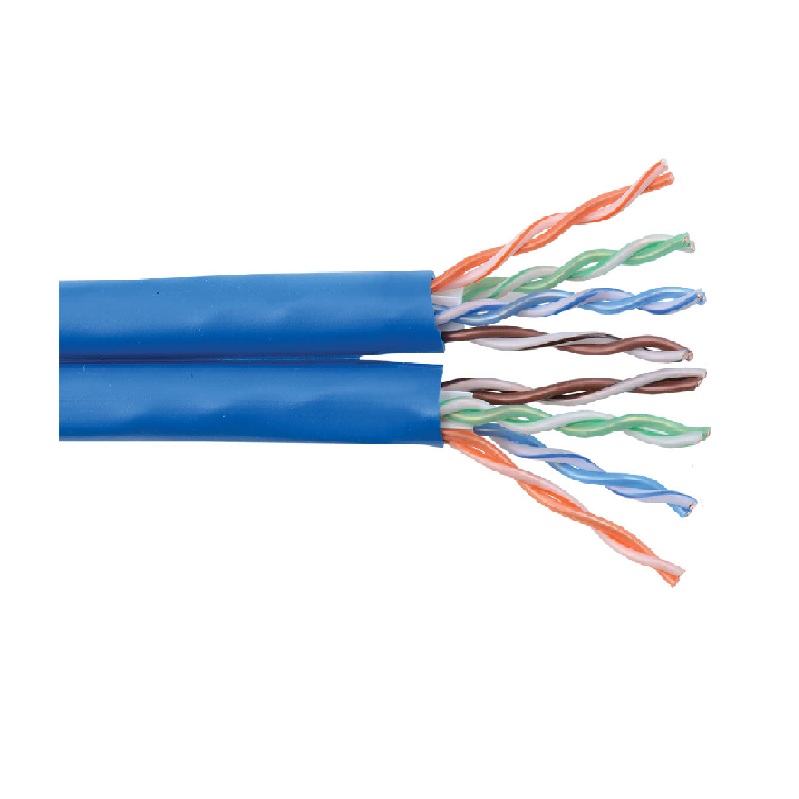
Category 6 (Cat 6) cable is a standardized twisted-pair cable for Ethernet and other network physical layers. It is designed to support data transmission speeds of up to 10 Gbps over distances of up to 55 meters and 1 Gbps over distances up to 100 meters. Compared to its predecessors, Cat 5 and Cat 5e, Cat 6 offers better signal quality, reduced interference, and improved overall performance, making it ideal for high-speed networking environments.
Key Specifications of Cat 6 Cable
- Maximum Speed: 10 Gbps (up to 55 meters), 1 Gbps (up to 100 meters)
- Bandwidth: 250 MHz
- Structure: Twisted-pair copper cable
- Shielding Options: Available in unshielded (UTP) and shielded (STP) versions
- Connector Type: RJ45
- Backward Compatibility: Works with Cat 5 and Cat 5e networks
Advantages of Cat 6 Cable
1. Higher Data Transfer Speeds
ccr1036 8g 2s+ price in bangladesh are designed for high-speed networking, supporting up to 10 Gbps speeds over shorter distances. This makes them ideal for applications that require rapid data transmission, such as cloud computing, online gaming, and video conferencing.
2. Reduced Interference and Crosstalk
The tightly twisted pairs and improved insulation in Cat 6 cables help reduce crosstalk (signal interference between adjacent wires) and electromagnetic interference (EMI). This ensures a stable and high-quality signal, leading to better overall network performance.
3. Future-Proof Investment
With increasing internet speeds and growing data demands, ccr1009 7g 1c 1s+ offer a future-proof networking solution. Investing in Cat 6 ensures compatibility with evolving technologies and reduces the need for frequent upgrades.
4. Improved Signal Integrity
Compared to previous cable categories, Cat 6 provides better signal integrity, ensuring reliable and consistent connectivity. This is particularly important for businesses and data centers that rely on uninterrupted network access.
Cat 6 vs. Other Ethernet Cable Categories
| Feature | Cat 5e | Cat 6 | Cat 6a | Cat 7 |
| Maximum Speed | 1 Gbps | 10 Gbps (up to 55m) | 10 Gbps (up to 100m) | 10 Gbps (up to 100m) |
| Bandwidth | 100 MHz | 250 MHz | 500 MHz | 600 MHz |
| Shielding Options | UTP Only | UTP & STP | UTP & STP | STP Only |
| Best Use Cases | Home networks | High-speed business & gaming | Data centers | Industrial & high-interference environments |
While Cat 5e is sufficient for basic networking needs, Cat 6 and Cat 6a are better suited for high-performance applications. Cat 7 offers even better shielding and speed but is less commonly used due to its higher cost and special connector requirements.
Common Applications of Cat 6 Cable
1. Home Networks
For households with multiple devices connected to the internet, Cat 6 cables ensure fast and stable connectivity. They are perfect for streaming high-definition content, gaming, and smart home devices.
2. Business and Office Networks
Businesses rely on high-speed networks for efficient communication, cloud-based applications, and secure data transfers. Cat 6 cables help maintain a stable connection with minimal downtime.
3. Data Centers
Cat 6 cables are widely used in data centers to connect servers, storage devices, and network switches, ensuring fast and efficient data transmission.
4. Security and Surveillance Systems
Many IP-based security cameras and surveillance systems depend on Best Computer for high-speed and reliable data transmission.
5. Industrial Applications
In industrial settings where electromagnetic interference is a concern, shielded Cat 6 cables provide reliable performance and durability.
Installation and Maintenance Tips for Cat 6 Cable
- Avoid Sharp Bends: Excessive bending can damage the internal wiring and affect performance.
- Use High-Quality Connectors: Ensure proper termination with RJ45 connectors to maintain signal integrity.
- Keep Cables Away from Electrical Lines: Running Cat 6 cables near power lines can cause interference.
- Use Cable Management Solutions: Organizing and securing cables prevents tangling and accidental disconnection.
- Test the Network: Use network testing tools to verify cable performance after installation.
Future of Cat 6 Cable
As technology advances, newer cable categories like Cat 6a, Cat 7, and Cat 8 are emerging with even higher speeds and better performance. However, Cat 6 remains a widely used and cost-effective solution for many networking needs. Its balance of speed, affordability, and reliability makes it a go-to choice for individuals and businesses alike.
Conclusion
Cat 6 cables have become an essential component of modern networking, offering high speeds, reduced interference, and reliable performance. Whether for home use, office networks, or data centers, they provide a future-proof solution for high-speed data transmission. Investing in Cat 6 cables ensures seamless connectivity, making them an excellent choice for anyone looking to enhance their networking infrastructure.









+ There are no comments
Add yours