





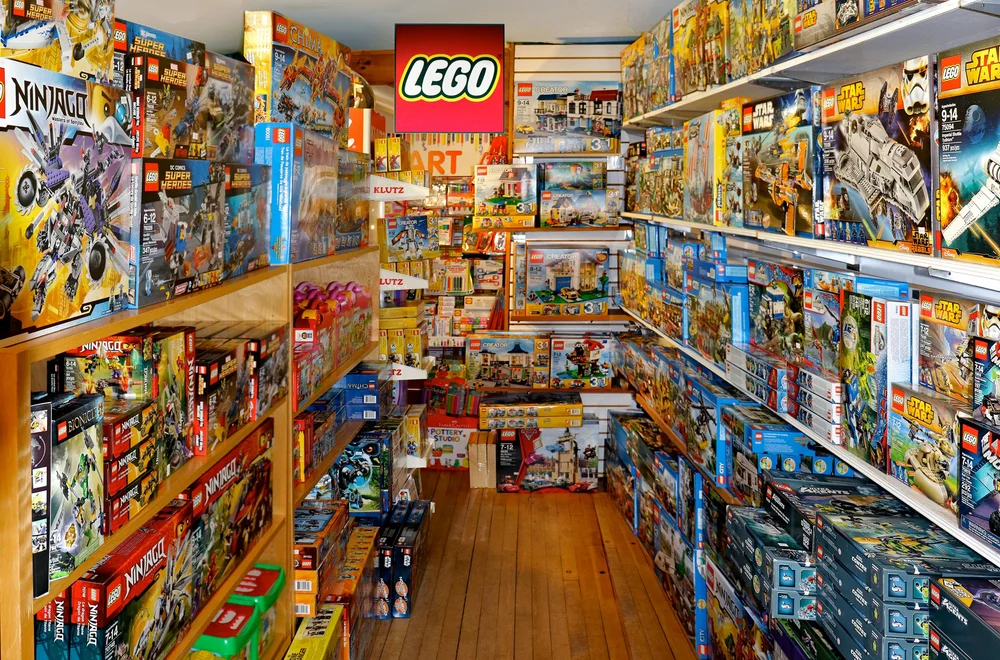
In an era where a tap on a glowing glass screen can summon almost any package to your doorstep within forty-eight hours, the traditional retail landscape has undergone a seismic shift. Bookstores, clothing boutiques, and electronics shops have largely migrated to the cloud. Yet, despite the undeniable convenience of e-commerce, one retail sanctuary stubbornly and triumphantly holds its ground: the local toy store.
Walking into an independent toy store is an entirely different sensory experience from scrolling through an endless grid of product thumbnails. It is a portal into imagination, a place where play is not just sold, but celebrated.
A Feast for the Senses
E-commerce is built on efficiency; physical toy stores are built on wonder. When a child—or an adult with a lingering sense of childhood curiosity—steps through the doors of a well-curated toy shop, the experience engages every single sense.
There is the distinct, nostalgic scent of fresh cardboard, painted wood, and plush fabric. There are vibrant splashes of primary colors leaping from the shelves, and the delightful clatter of a demonstration game being played in the corner. Unlike the flat, sterile imagery of an online catalog, a physical store invites tactile exploration. You can squeeze a squeaking rubber duck, test the weight of a wooden building block set, or run your fingers along the smooth finish of a classic tin kaleidoscope.
This sensory engagement is critical. Play begins with curiosity, and curiosity is sparked when an object can be touched, held, and examined in three dimensions.
The Social Hub of Childhood
Beyond the merchandise, a local toy store serves a vital community function: it is a social incubator. Shopping online is a solitary, transactional affair conducted in silence. Visiting a toy store, however, is an event.
Children learn the art of making choices, weighing the value of their allowance against a coveted board game or craft kit. They interact with passionate store clerks who actually know the inventory, can recommend the best science experiment kit for an inquisitive eight-year-old, or demonstrate how a complex puzzle works.
Many neighborhood toy shops also double as community gathering spaces. They host weekend Lego-building clubs, board game nights, and storytelling circles. In these moments, the toy store becomes more than a retail floor—it becomes the backdrop for shared human connection and early social development.
Curated Quality Versus Algorithmic Overload
When you search for toys online, you are often at the mercy of opaque algorithms, sponsored listings, and a flood of cheap, mass-produced plastic novelties designed to break after a week of use. Quality control can be an afterthought.
Independent toy stores operate on a different philosophy: curation. Store owners handpick items with an eye toward durability, educational value, and open-ended creativity. They prioritize toys that do less so the child’s imagination can do more—classic wooden blocks, art supplies, intricate dolls, and strategic tabletop games. By filtering out the noise of fad-driven junk, these stores act as stewards of meaningful play, offering items designed to be passed down through generations rather than tossed into a landfill.
Preserving the Wonder
The enduring appeal of the physical toy store reminds us that some experiences cannot be digitized. We do not just buy toys for their utility; we buy them for the magic they represent—the birthday anticipation, the holiday wonder, and the quiet afternoon spent building a cardboard castle on the living room floor.
As long as children dream and adults remember how to play, the neighborhood toy store will remain an irreplaceable landmark of joy. It is a tangible reminder that wonder is not an outdated concept, but a vital part of what keeps us human.











+ There are no comments
Add yours