





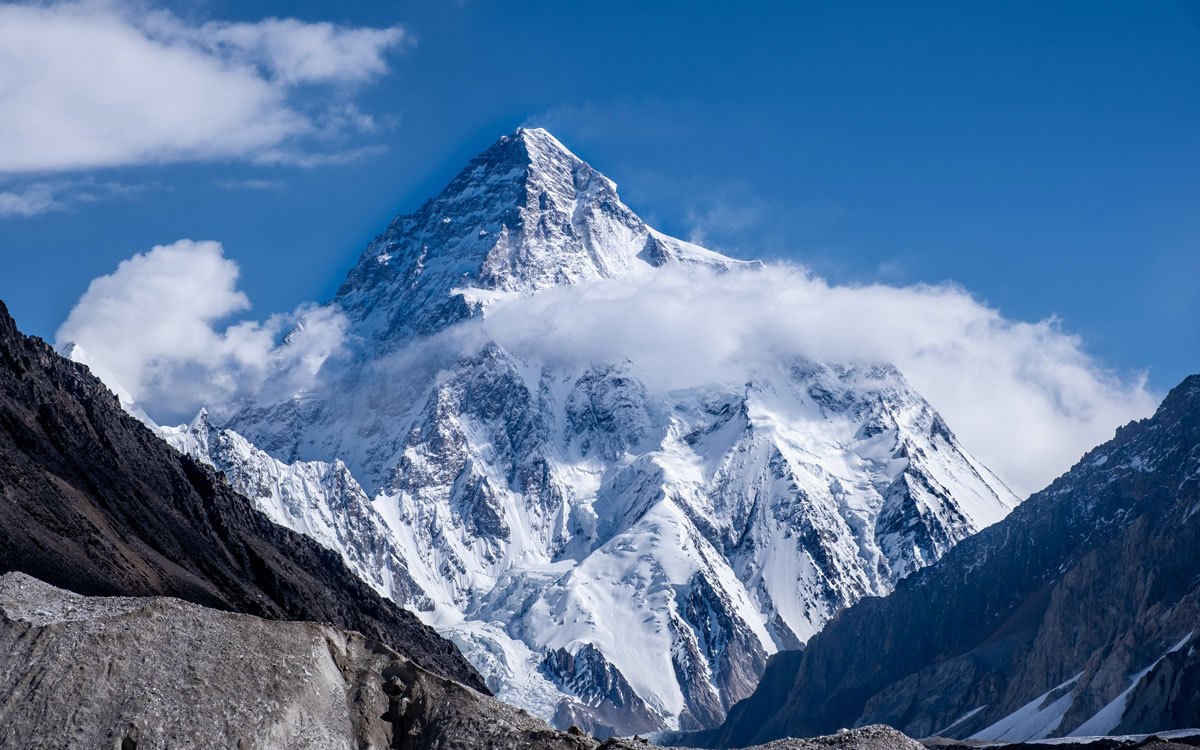
Manaslu Circuit Trekking is one of Nepal’s most spectacular and less-traveled adventures. Encircling the eighth highest mountain in the world, Mount Manaslu (8,163 meters), this trek offers a rich blend of cultural heritage, natural diversity, and challenging mountain landscapes. For those who crave solitude and authenticity away from the busy Everest and Annapurna regions, Manaslu Circuit Trekking is the perfect alternative.
Introduction to the Manaslu Circuit
The Manaslu Circuit is a high-altitude trek that covers approximately 177 kilometers over 14–18 days. The route begins in the lowland hills of Soti Khola and rises to the high alpine zone of the Larkya La Pass (5,160 meters) before descending into the Annapurna region. The trail winds through diverse ecological zones, ranging from sub-tropical forests and river valleys to snowy peaks and Tibetan-influenced villages.
Unlike more popular routes, Manaslu Circuit Trekking has been preserved through restricted access regulations. This not only limits the number of trekkers but also helps maintain the pristine environment and genuine local culture.
Why Choose Manaslu Circuit Trekking?
1. Spectacular Natural Beauty
The trek showcases some of the most dramatic scenery in Nepal. Trekkers are rewarded with sweeping views of Manaslu, Himlung Himal, Cheo Himal, and Ganesh Himal. Along the way, you’ll pass waterfalls, glacial rivers, pine forests, and high mountain passes.
The transition from lush greenery in the lower regions to the icy wilderness near the pass creates a constantly changing and engaging landscape.
2. Authentic Cultural Experience
One of the major highlights of Manaslu Circuit Trekking is its rich cultural tapestry. The region is home to ethnic Gurung communities in the lower elevations and Tibetan-influenced Nubri and Tsum communities in the upper regions. Villages like Samagaon, Lho, and Samdo offer opportunities to interact with locals, visit ancient Buddhist monasteries, and witness traditional mountain life unchanged for centuries.
Prayer flags, mani walls, and chortens line the trails, adding spiritual beauty to your journey.
3. Less Crowded, More Rewarding
Compared to the popular Everest Base Camp and Annapurna Circuit treks, Manaslu attracts fewer hikers due to its restricted status. This means quieter trails, more serene teahouses, and an intimate experience with both nature and culture. For trekkers looking to escape the crowds, this is an unbeatable route.
Trekking Route and Key Stops
Here’s a general outline of the typical Manaslu Circuit Trekking route:
- Day 1–3: Kathmandu to Soti Khola to Machha Khola
Begin with a drive from Kathmandu and start trekking through terraced fields, rivers, and subtropical forests. - Day 4–6: Trek through Jagat, Deng, and Namrung
The terrain becomes more mountainous, and the Tibetan cultural influence becomes visible. - Day 7–9: Lho, Samagaon, Samdo
These villages are cultural highlights. Explore monasteries, yak pastures, and acclimatize before the pass. - Day 10: Cross Larkya La Pass (5,160 meters)
The most challenging day, but also the most rewarding, with incredible views and a steep descent to Bimthang. - Day 11–14: Trek to Dharapani and drive back
The trail joins the Annapurna Circuit before ending at Dharapani, from where you can drive back to Kathmandu.
Permits and Regulations
As the Manaslu region is classified as a restricted area, trekkers need special permits:
- Manaslu Restricted Area Permit (MRAP)
- Manaslu Conservation Area Permit (MCAP)
- Annapurna Conservation Area Permit (ACAP)
Trekkers must travel in a group of at least two people with a licensed guide and through a registered trekking agency. These rules ensure safety, environmental protection, and local economic benefit.
Best Seasons for Manaslu Circuit Trekking
The ideal times to trek the Manaslu Circuit are:
- Spring (March to May): Clear skies, blooming rhododendrons, and stable weather.
- Autumn (September to November): The post-monsoon season offers crisp air, fantastic visibility, and pleasant temperatures.
Winter (December to February) is cold and snowy, making Larkya La Pass risky. Monsoon (June to August) brings heavy rains and landslides, so it’s not recommended.
Accommodation and Food
The trail is lined with teahouses, which offer simple lodging and meals. While facilities are basic, they are comfortable and provide trekkers with warm meals such as:
- Dal Bhat (rice and lentils)
- Momos (dumplings)
- Tibetan bread and soups
- Fried noodles or rice
Clean drinking water is usually available via purification or boiled water systems.
Physical Preparation
Manaslu Circuit Trekking is considered moderately to strenuously difficult, mainly due to altitude and rugged terrain. Daily walks range from 6 to 8 hours. Preparation should include:
- Cardiovascular training: running, cycling, or swimming
- Strength exercises: squats, lunges, and core workouts
- Altitude acclimatization practice if possible
Acclimatization days built into the itinerary help prevent altitude sickness.
Final Thoughts
Tsum Valley Trek is a journey into Nepal’s untouched heart—where towering peaks meet rich traditions and quiet mountain trails. It’s a challenge suited for experienced trekkers or adventurous first-timers ready to step outside the mainstream routes. Whether you’re drawn by the promise of solitude, the thrill of the high mountains, or the allure of ancient cultures, Manaslu delivers an experience that is raw, real, and unforgettable.










+ There are no comments
Add yours