





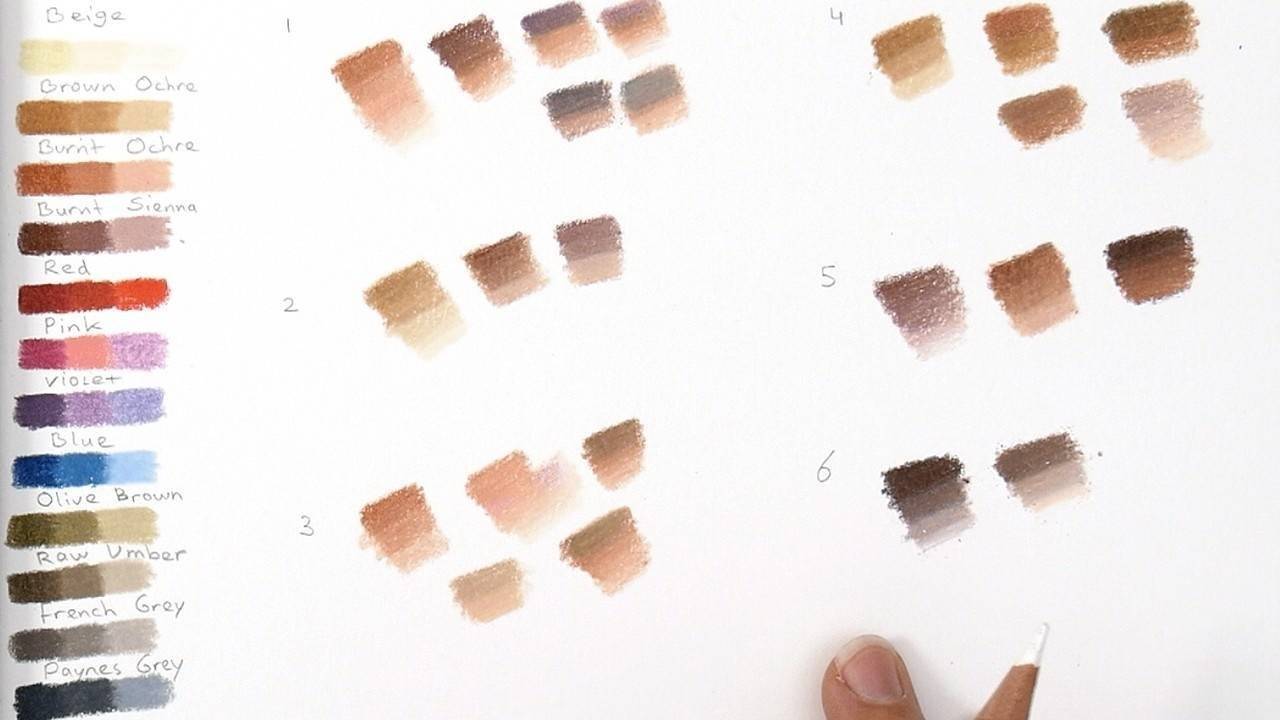
Skin colour is a characteristic that is as unique as each individual. It is determined by various factors, including genetics, sun exposure, and melanin production. However, when it comes to art, cosmetics, or even special effects in films, creating the right shade of skin tone can be essential. Whether you are an artist mixing paint for portraits, a makeup artist preparing for a photoshoot, or working in special effects, understanding how to make skin colour can help you create realistic, natural-looking results.
In this article, we’ll explore the basic components of skin colour, how different skin tones are formed, and provide a guide on how to make skin colour through paint, makeup, and special effects.
Understanding Skin Colour: The Basics
Human skin colour is determined by the amount and type of pigment called melanin present in the skin. Melanin comes in three types: eumelanin, pheomelanin, and neuromelanin. Eumelanin is responsible for brown and black skin tones, pheomelanin is responsible for red and yellow tones, and neuromelanin is found in the brain (which is not relevant for skin colour).
The production of melanin is influenced by genetic factors, but environmental factors such as sun exposure also play a significant role in determining how dark or light a person’s skin will become over time. It’s important to note that the skin has various undertones which affect the final look of a person’s complexion. These undertones can be broadly classified as cool, warm, or neutral, and they give skin its subtle hue beneath the surface.
Factors Influencing Skin Colour
When creating skin tones for art or makeup, you need to consider the factors that influence real skin tones:
- Undertones: As mentioned earlier, skin can have cool, warm, or neutral undertones. Cool undertones may have hints of pink or blue, while warm undertones are more yellow or golden. Neutral undertones sit somewhere in between.
- Complexion: Skin colour varies in intensity. For example, people with lighter skin may have a pale, fair complexion, while people with darker skin may have medium, olive, brown, or deep shades. It’s also possible to see freckles, redness, and other variations in real skin.
- Lighting: Lighting plays a huge role in how skin appears. Different lighting can make the skin look warmer, cooler, or more neutral depending on the light source.
- Cultural Influences: Regional factors and historical influences also shape how skin colour is perceived. For example, people from parts of Africa typically have darker skin, while those from Scandinavian countries tend to have lighter skin.
Creating Skin Tones with Paint (for Artists)
For artists, mixing paint to create skin colours involves using primary colors (red, yellow, and blue) and adjusting the mixture until the desired shade is achieved. Here are some common tips for creating skin colours using oil, acrylic, or watercolor paints.
1. Start with a Base:
- Mixing Red, Yellow, and Blue: A basic starting point is to mix equal parts of red (preferably a warm, earthy red like cadmium red), yellow (like cadmium yellow), and blue (such as ultramarine blue). This mixture will give you a neutral brown colour, which is the foundation of most skin tones.
- Adjust for Lightness or Darkness: To lighten the tone, add a little white paint. To darken it, add more red, brown, or even a touch of black, but be careful, as black can easily overpower the other pigments.
2. Warm or Cool Tones:
- Warm Skin Tones: Add more yellow or even a touch of orange to the mixture for a golden, sun-kissed complexion.
- Cool Skin Tones: If you’re aiming for a cooler skin tone (such as pale, pinkish skin), add more red or pink, which will help cool down the base mixture.
3. Refining the Colour:
- Add White for a lighter, softer look, especially for fairer skin tones.
- Add Burnt Sienna or Yellow Ochre to give your skin colour a more natural, earthy look.
- Experiment with Violet or Blue to cool down the tone or create more depth, especially for darker skin tones.
By experimenting with these combinations, you’ll learn to mix an array of skin colours ranging from light to dark and warm to cool.
Creating Skin Colours with Makeup
For makeup artists or anyone looking to recreate skin tones for cosmetics, the process is a bit different. Skin colour in makeup is usually broken into foundations, concealers, and color correctors. Here’s how to approach creating skin tones in makeup:
1. Foundation Shades:
- Understand the Undertone: Choose a foundation shade that matches the individual’s undertones—cool (pink), warm (yellow/golden), or neutral. Many makeup brands offer foundations with specific undertones.
- Test the Shade: To test foundation, always apply a small amount along the jawline or wrist, as the neck and face may have different shades.
- Adjust the Shade: If a foundation is too light, you can mix it with a darker shade. Conversely, if it’s too dark, mix it with a lighter foundation to get the desired tone.
2. Concealers:
- Use concealers that are slightly lighter than the foundation to match the skin around the eyes, nose, and chin for brightening.
- Use a yellow or peach-toned concealer for darker skin, and pink or peach-toned concealers for lighter skin.
3. Color Correcting:
- Green Color Correctors: These are used to neutralize redness in the skin.
- Purple or Lavender: Helps brighten yellow undertones.
- Peach or Orange: Works to balance out blue undertones, especially under the eyes.
Special Effects and Body Paint
When creating skin colours in body painting or special effects makeup, the process is somewhat similar to painting on canvas but often requires special techniques to mimic skin texture and realistic details.
- Layering and Blending: Multiple layers of paint may be needed to achieve a realistic look. Start with a base colour, then layer with highlights and shadows to mimic the natural contours of the face or body.
- Using Latex or Gel: For special effects or body painting, latex or gel-based products are often used to create texture and depth, making the paint appear more like real skin.
Conclusion
How to make skin colour, whether through paint, makeup, or special effects, requires understanding the science of skin pigmentation and the artistry of blending colours to match a person’s natural tones. By experimenting with different combinations of pigments, tones, and textures, you can create a wide range of realistic skin shades. Whether you’re an artist crafting a portrait, a makeup artist perfecting a look, or a special effects technician creating lifelike effects, the ability to make and manipulate skin colours is a valuable skill in the world of art and beauty.












+ There are no comments
Add yours